
Marvel's Captain America: Brave New World - A New Era Begins
ENGLISH
2/23/20258 min read

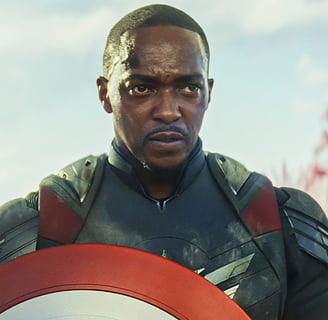
Introduction to Captain America: Brave New World
Marvel's Captain America: Brave New World marks a pivotal chapter in the Captain America franchise, redefining the narrative in light of the evolving Marvel Cinematic Universe (MCU). With Sam Wilson, portrayed by Anthony Mackie, stepping into the iconic role of Captain America, the film promises to explore themes of responsibility, heritage, and identity. This installment emerges following the profound impact of previous entries and the series' overarching storyline, presenting fans with fresh challenges and character arcs.
The significance of this film in the MCU cannot be understated, as it not only continues the legacy of Captain America but also reflects the broader changes in representation within superhero narratives. Wilson’s ascension to the mantle highlights the importance of inclusivity and diversity in contemporary storytelling, resonating with a wider audience while staying true to the character's core values. Audiences can anticipate an engaging blend of action, drama, and poignant moments that delve into Wilson's journey, exploring his evolution from Falcon to a symbol of hope as the new Captain America.
In addition to Wilson's character development, Captain America: Brave New World promises to introduce captivating new villains and allies that will challenge the protagonist’s resolve. The film’s ability to weave these new elements into the existing tapestry of the MCU will undoubtedly enrich the viewing experience. As the heroes confront the complexities of their identities and responsibilities, they signify a new era where legacy and innovation coexist. This installation is not merely a continuation of a beloved character's journey, but also a testament to the dynamic nature of the MCU, inviting audiences to engage in compelling narratives that entertain and provoke thought.
Character Development: From Steve Rogers to Sam Wilson
The journey of Captain America has always been closely tied to the character of Steve Rogers, portrayed by Chris Evans. However, with the introduction of Sam Wilson, played by Anthony Mackie, a new narrative unfolds, showcasing a compelling evolution. Sam's transition to Captain America is not merely a passing of the shield but an intricate development that challenges and reshapes his identity.
Sam Wilson, originally the Falcon, emerges as a character laden with both hope and uncertainty. As he assumes the mantle of Captain America, he grapples with the weight of expectations and the legacy left behind by Steve Rogers. This transition is marked by profound emotional depth as Sam faces the dual challenge of honoring Steve’s ideals while carving out his own path. The character's growth is vividly portrayed through personal struggles, particularly concerning societal perceptions and the historical significance of being a Black Captain America.
Throughout the narrative, Sam's journey is punctuated by moments of self-doubt and resilience. He confronts not only external pressures but also his own insecurities about his worthiness to take on such a revered role. The depth of his character is further explored through his interactions with other key figures, including Bucky Barnes, whose complex friendship with Steve adds layers to Sam’s personal journey. Ultimately, Sam must reconcile his relationship with the legacy of Captain America, embracing both its challenges and its promise.
As audiences witness Sam Wilson's ascension, they are drawn into a powerful story of growth, empowerment, and the ongoing quest for identity. His journey from the sidelines to the forefront encapsulates the essence of heroism, showcasing that true strength lies not just in physical prowess but in compassion, courage, and determination. This era heralds the possibility of new stories and new kinds of heroism in the Marvel Universe.
The Villains: New Threats in Brave New World
In "Captain America: Brave New World," the introduction of new villains serves to elevate the stakes for Sam Wilson’s role as the new Captain America. These antagonists are not only formidable foes but also reflections of current societal issues, providing the narrative with profound depth. Among the primary villains is a character called the Disruptor, a tech-savvy anarchist who seeks to challenge the existing order through a mixture of sophisticated technology and guerrilla tactics. The Disruptor embodies the fears of a society increasingly concerned with surveillance and control, representing the conflict between technological advancement and personal freedom.
Another notable antagonist is the Shadow Broker, a figure who thrives in secrecy and manipulation. This character highlights the dangers posed by misinformation and the manipulation of the masses, tapping into contemporary issues surrounding media credibility. The Shadow Broker’s ability to orchestrate chaos through lies and deception poses a unique challenge for Wilson, as he must navigate a landscape where the truth is not only elusive but weaponized against him. This villain amplifies the complexities of trust and integrity in both heroism and politics, making Wilson’s task all the more daunting.
Additionally, the introduction of a former ally turned enemy complicates the narrative further, forcing Wilson to confront personal betrayals and moral dilemmas. This character’s motivations stem from a disillusionment with the ideals of Captain America, suggesting a critique of the heroic mantle itself. As these villains push Wilson to his limits, they challenge his convictions and force him to redefine what it means to be Captain America in a rapidly changing world.
Through these multifaceted antagonists, "Brave New World" weaves a narrative rich in symbolism, urging audiences to reflect on the very nature of heroism amidst societal turmoil. Each villain not only tests Wilson’s capabilities but also encapsulates the real-world challenges that define the contemporary hero's journey.
Themes of Identity and Legacy
The upcoming film "Marvel's Captain America: Brave New World" delves deeply into the themes of identity and legacy, exploring the significant responsibilities that accompany the title of Captain America. This narrative unfolds in a landscape where the role of a hero is not merely defined by superhuman abilities but by the values and principles that individuals choose to uphold. The protagonist, stepping into the iconic mantle, is faced with the daunting task of reconciling his own identity with the expectations set by the previous generation, particularly the legacy left by Steve Rogers, the original Captain America. This transformative journey serves as a central pillar of the storyline.
The film poignantly addresses the weight of heroism in a modern context, where societal expectations can often feel overwhelming. The character’s struggle to forge his own identity while adhering to the ideals of bravery and sacrifice exemplifies the duality of legacy: it is both a guiding force and a potential burden. By emphasizing the complexity of what it means to be a hero, "Brave New World" provides audiences with a more nuanced understanding of courage and responsibility. The notion of legacy extends beyond mere titles; it encompasses the ideals that heroes strive to embody, raising pertinent questions about individual agency in the face of collective history.
This exploration resonates with contemporary audiences who grapple with their own identities and the legacies they inherit. In a world marked by rapid change and evolving values, the film urges viewers to reflect on their roles, the impact of their choices, and the essence of heroism. By intertwining these themes within a superhero narrative, "Marvel's Captain America: Brave New World" aspires to ignite discussions not only about legacy and identity but also about the personal journeys we all undertake amidst societal expectations.
Visual and Cinematic Style of Brave New World
The visual storytelling and cinematography in Marvel's "Captain America: Brave New World" mark a significant evolution in the franchise, utilizing a variety of stylistic choices that enhance the film's thematic depth and emotional resonance. One of the most remarkable aspects is the film's approach to action sequences. Filmmakers adopted a blend of fast-paced choreography and spatial awareness, which allows audiences to feel the weight of each conflict. This intricate design elevates the stakes, providing an immersive experience that aligns with the heroic nature of Captain America.
Set design plays a pivotal role in establishing the film's narrative landscape. The creators utilized a combination of practical effects and considerable CGI to construct both urban environments and formidable landscapes. This duality not only reflects the complexity of the story but also serves to immerse the audience in the broader Marvel universe. Additionally, the careful calibration of color palettes throughout different scenes significantly enhances the storytelling. For example, vibrant colors may represent hope and resilience, whereas muted tones can convey despair and conflict, thereby deepening the viewers’ emotional engagement with the characters and their journeys.
Lighting techniques are integral to augmenting the film's mood and themes. Strategic use of shadows and highlights allows for a nuanced exploration of character emotions and relationships. In moments of confrontation, stark lighting can intensify the drama, while softer lights in reflective scenes promote intimacy and connection between characters. The filmmakers meticulously crafted these visual elements, ultimately enhancing the film's narrative without overshadowing its core message.
This commitment to thoughtful visual aesthetics not only underscores the specific themes of "Brave New World" but also reinforces the overall Marvel brand identity. By raising the bar in cinematic quality, the film ensures that both long-time fans and new audiences experience a compelling story that resonates on multiple levels.
Connection to the Larger MCU and Future Implications
Marvel's Captain America: Brave New World marks a pivotal moment in the ongoing narrative of the Marvel Cinematic Universe (MCU). As a focal point within Phase Five, this film not only continues the legacy of Captain America but also establishes intricate connections to the greater MCU tapestry. The successor to Steve Rogers, Sam Wilson, assumes the iconic mantle amidst a dynamic political landscape infused with emerging threats and new alliances.
Brave New World explores themes pertinent to the current geopolitical climate, suggesting that the film will engage with complex issues such as national identity, heroism, and accountability. These themes are not novel within the MCU; however, their emphasis reveals an intention to deepen character development and plot arcs as the franchise progresses. This narrative approach may offer insights into the motivations behind future characters and storylines, particularly as the multiverse expands and new heroes are introduced.
Moreover, details and Easter eggs within the film are likely to hint at future encounters with other well-known characters. The ramifications of Wilson taking on the Captain America persona can lead to interactions with legacy characters and even antagonists from prior phases, thereby enriching the overarching narrative. The film may also lay groundwork for new alliances and confrontations, setting the stage for anticipated movies like Thunderbolts and upcoming Avengers installments.
As fans eagerly await the unfolding of this new chapter in the MCU, Brave New World promises to weave crucial threads that connect diverse stories into a cohesive universe. By providing opportunities for character intersections and plot expansions, it reinforces the idea that each installment is a building block that shapes the future of the Marvel cinematic landscape. The foundations established in this film could thus have significant implications for the trajectory of the MCU moving forward.
As Marvel's Captain America: Brave New World marks a significant progression within the superhero genre, it carries with it profound implications for both fans and the overall trajectory of the Marvel Cinematic Universe (MCU). The film not only redefines familiar narratives but also wagers on themes of hope, resilience, and the enduring spirit of heroism. These themes resonate deeply, inviting audiences to reflect on contemporary societal challenges while showcasing how they can be confronted through unity and strength.
The reception of Brave New World among fans has been largely positive, reflecting an eagerness for stories that both entertain and provoke thought. As the narrative unfolds, fans have experienced a renewed understanding of Captain America’s values, further solidifying the character's relevance in our times. The evolution of the character, coupled with the introduction of new dynamics within the story, evokes a sense of anticipation regarding how these developments will influence future narratives within the MCU.
Looking ahead, Brave New World positions itself as a crucial turning point, setting the stage for subsequent explorations within the franchise. With Captain America embodying the essence of leadership and courage, the film invites viewers to consider how these attributes will manifest in future endeavors, both on and off-screen. This gives rise to a multitude of possibilities that not only enhance the existing lore but also create a platform for celebrating diverse representations and storytelling within the superhero framework.
In conclusion, Captain America: Brave New World serves as a catalyst for dialogue surrounding hope and resilience in difficult times. It encourages fans to engage with the evolving narratives of the MCU, laying a foundation for a compelling future where the legacies of our heroes continue to inspire countless generations.


Contact
News
contact@moviezest.in
© 2025. All rights reserved.